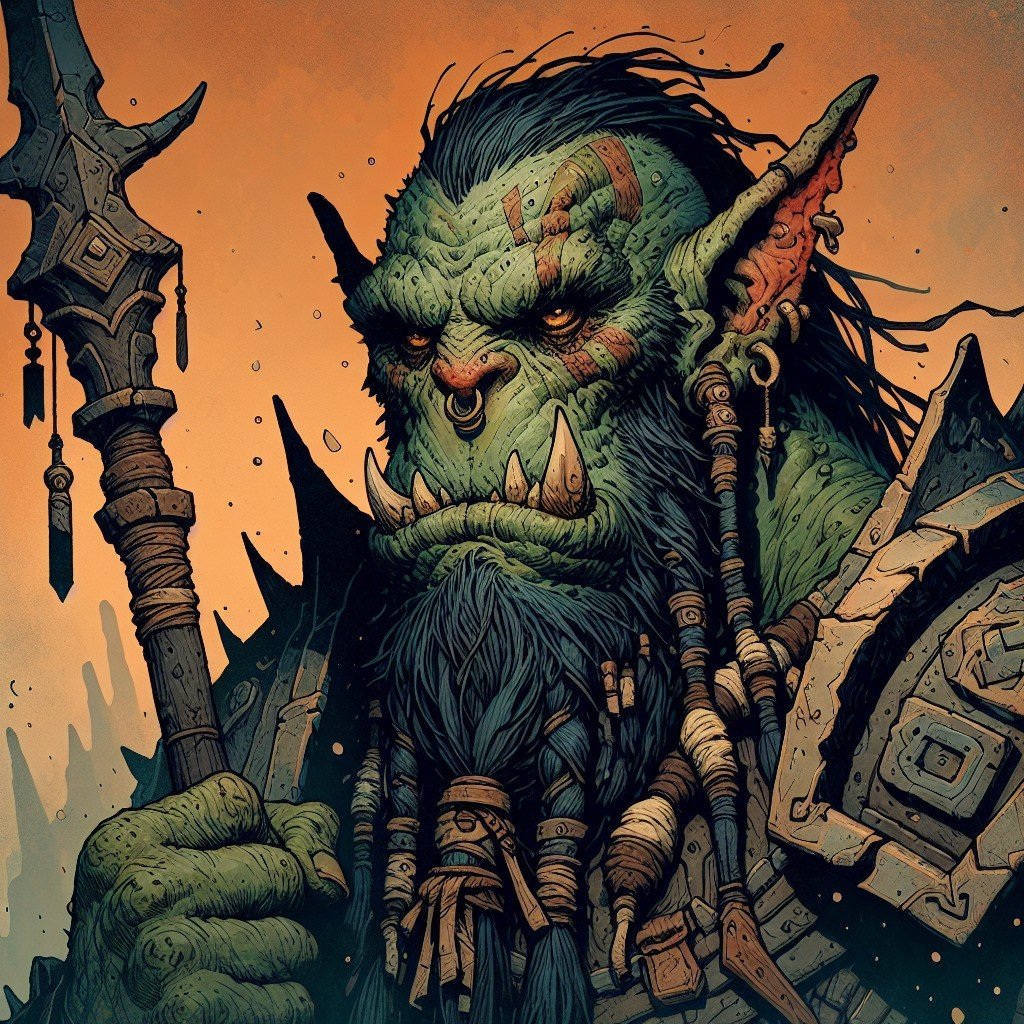
Your orc character — whether a fearsome Warchief, a mystical Shaman, or a brutal Berserker — deserves a name that echoes their strength, heritage, and destiny. But plucking the perfect moniker from the void can be a daunting task, often leaving you staring at a blank page. This is precisely where understanding how to effectively use an Orc Name Generator becomes an invaluable skill. Far from a mere button-click, these powerful tools are your forge for crafting names that resonate with power, history, and a touch of primal savagery.
Imagine a name that instantly conjures images of epic battles, ancient rituals, or the unforgiving might of an entire clan. A well-chosen orc name isn't just a label; it's a character's first roar, setting the stage for every deed that follows.
At a Glance: Crafting Mighty Orc Names
- Go Beyond Basic: Don't just hit 'generate' repeatedly. Use the tool's advanced options like categories, gender, and style to tailor results.
- Describe Your Orc: Leverage AI-driven generators by providing a brief character description for highly personalized, lore-friendly names.
- Understand Archetypes: Different orc roles (Warrior, Shaman, Chieftain) demand different naming conventions. Match the name to the role.
- Embrace Orcish Sounds: Focus on harsh consonants (K, G, R, TH, Z) and brutal descriptors (Blood, Skull, Doom).
- Consider Clan & Deeds: Incorporate tribal names or achievements into the name for added depth and storytelling.
- Bulk & Refine: Generate multiple names at once, then pick and choose elements to create your unique masterpiece.
- It's Free: Most Orc name generator tools are free to use for personal or commercial projects.
Beyond Randomness: The Power of a Purposeful Orc Name
The realm of fantasy is vast and diverse, populated by countless creatures, cultures, and legends. Within this tapestry, orcs hold a unique, often intimidating, position. Their names are a crucial part of their identity, communicating their ferocity, their bond to the land, their tribal loyalties, or even their spiritual connection.
A name like "Grom Hellscream" or "Thrall Doomhammer" isn't just a collection of syllables; it’s a condensed saga. It speaks of a lineage, a personal history, and a dominant characteristic. Simply put, a strong orc name adds layers of authenticity and depth to your character, be it for a novel, a tabletop RPG, or a video game. But how do you move past generic "Orc #7" and unearth something truly legendary? The answer lies in mastering the tools at your disposal.
Decoding the Orc Name Generator: Your Step-by-Step Guide
Modern orc name generators, especially those leveraging AI, are sophisticated instruments designed to do more than just churn out random words. They're built with an understanding of fantasy lore, linguistic patterns, and the very essence of what makes an orc, well, orcish. Here's how to harness their full potential:
1. Visiting the Tool: Your Gateway to Green Skin Glory
First things first, find a reliable quality fantasy generator. Many reputable sites offer these tools for free. Once you're on the page, take a moment to survey the interface. You’ll typically find input fields and dropdown menus, designed to guide your name generation journey.
2. Choosing Your Orc's Archetype: Setting the Foundation
This is arguably the most critical step after simply visiting the tool. Most generators will offer a selection of "Orc Categories" or "Types." Think of these as archetypes that define your orc's primary role and personality. Your choice here heavily influences the style and thematic elements of the generated names.
Common categories often include:
- Warrior: For the front-line combatants, the name should be direct, brutal, and strong.
- Chieftain/Warchief: Leaders require names that convey power, authority, and perhaps a touch of cunning or wisdom.
- Shaman: Spiritual guides' names often carry a mystical, elemental, or ancestral resonance.
- Berserker: Names for these rage-filled warriors should sound savage, violent, and unstoppable.
- Hunter: Names that suggest stealth, tracking, or a connection to the wild.
- Raider: Names that evoke aggression, speed, and pillaging.
Select the category that best aligns with the character you envision. This instantly narrows down the linguistic pool, guiding the generator toward more appropriate suggestions.
3. Refining with Gender and Style: Adding Nuance
Many generators allow you to specify Gender (Optional): male, female, neutral, or any. While orc names often share guttural qualities regardless of gender, selecting this option can introduce subtle phonetic shifts or traditional prefixes/suffixes that make names feel more gender-appropriate within fantasy lore.
Even more impactful is the Name Style (Optional). This further refines the generator's algorithm. Options might include:
- Brutal: For names that hit hard and convey raw strength.
- Guttural: Focusing on deep, throaty sounds characteristic of many fantasy orcs.
- Tribal: Names that evoke a sense of ancient heritage, community, and tradition.
- Warlike: Directly associating the name with conflict and martial prowess.
- Honorable: For those rare orcs who embody a code of conduct (think Thrall).
Combining an archetype with a style, for example, a "Warrior" with a "Brutal" style, will yield far more targeted results than a generic generation. This is part of advanced character naming strategies that elevate your creative process.
4. Unleashing AI: Describing Your Character
This is where advanced, AI-driven generators truly shine. The "Describe Your Orc Character (Optional)" field isn't just for show. By providing a brief, yet potent description of your orc's achievements, status, or unique role, you give the AI a rich context to work with.
- Example 1: Instead of just picking "Warrior," describe "a legendary warrior known for defeating numerous monstrous beasts and leading a charge that broke an enemy siege."
- Example 2: For a "Shaman," you might input "a revered elder shaman who channels the spirits of the ancestors and commands the elemental forces of the mountains."
The AI processes these keywords and concepts, then generates names that are not only stylistically appropriate but also lore-friendly and specifically tailored to your description. This moves beyond simple random generation to truly bespoke name crafting.
5. Bulk Generation and Selection: Quantity Meets Quality
Don't settle for the first name you see. Most generators allow you to Set Quantity (Optional), generating 10, 20, 30, or even 50 names at once. This bulk generation is incredibly useful for several reasons:
- Variety: You get a wide range of options to compare and contrast.
- Inspiration: Even if you don't pick a name wholesale, parts of different suggestions can spark new ideas.
- Mix and Match: You might love the first part of one name and the second part of another.
Once your list is generated, Explore Suggestions. Read them aloud. How do they sound? Do they feel right for your character? Most tools offer convenient one-click copying for individual names or a "Copy All" function for the entire list. Don't hesitate to regenerate if the initial batch doesn't quite hit the mark. The more you refine your inputs, the closer you'll get to perfection. This iterative process is key to designing compelling RPG characters.
Understanding Orc Archetypes: More Than Just a Name
To effectively use an orc name generator, you need to understand the underlying principles that distinguish different orcish identities. Each archetype carries its own linguistic flavor, reflecting its role within orc society and its place in the wider world.
The Unyielding Warrior
These are the backbone of any orc horde, the first into battle, and the last to fall. Their names are direct, often incorporating harsh sounds and words associated with combat, strength, and victory.
- Characteristics: Brutal, strong, fearless, battle-hardened.
- Naming Conventions: Often guttural, short, and punchy. May include suffixes like -skull, -fang, -blade.
- Examples: Grom, Thrak, Brokk, Gazrog Skullcrusher, Borlag Ironjaw.
The Commanding Chieftain/Warchief
Leaders of the clan or horde, their names command respect and evoke power. These names might be slightly more complex or carry a weight of history, reflecting their lineage or a significant deed.
- Characteristics: Authoritative, strategic, inspiring (to orcs), formidable.
- Naming Conventions: Often incorporate clan names, powerful titles, or references to leadership. Can be longer, sometimes with apostrophes.
- Examples: Thrall Doomhammer, Blackhand, Kargath Bladefist, Nazgrel, Garrosh Hellscream.
The Mystical Shaman
Shamans are the spiritual heart of the orcish people, communing with ancestors and elements. Their names tend to be more evocative, carrying a sense of ancient wisdom, natural power, or connection to the spirit world.
- Characteristics: Wise, spiritual, connected to nature/elements, often revered.
- Naming Conventions: May include elements related to spirits, elements (earth, fire, water, wind), or ancient lore. Can sound less aggressive than warrior names.
- Examples: Drek'Thar Spiritwalker, Gul'dan (though more warlock), Rehgar Earthfury, Ghashnak Windcaller. Understanding crafting immersive fantasy worlds often involves developing these specific cultural naming patterns.
The Ferocious Berserker
Driven by pure, unadulterated rage, berserkers are terrifying forces on the battlefield. Their names should reflect this unchecked aggression and raw power.
- Characteristics: Frenzied, savage, relentless, bloodthirsty.
- Naming Conventions: Often include words like Blood, Rage, Kill, Bone. Very harsh and aggressive.
- Examples: Ragegor Bloodfury, Killrog Bonecrusher, Skulthrax Gorefang, Gruul the Dragonkiller.
By understanding these distinctions, you can make more informed choices when selecting your generator's categories, leading to more authentic and impactful names.
The Unseen Advantage: Key Features & Benefits of AI Generators
Beyond the basic functionality, modern orc name generators offer a suite of features that significantly enhance your creative process.
- AI-Driven Creation: This is the game-changer. AI doesn't just pull from a static list; it understands patterns, phonetics, and thematic consistency. By analyzing your character description, it can generate names that sound genuinely lore-friendly and unique, rather than merely random. This is akin to having a personal fantasy linguist at your fingertips, understanding how fantasy language conventions impact naming.
- Variety of Categories & Styles: As discussed, the ability to choose from diverse archetypes and naming styles ensures that you're never stuck with a "one-size-fits-all" solution. This adaptability is crucial for populating a rich, believable fantasy setting.
- Unlimited Suggestions/Bulk Generation: The sheer volume of names you can generate in moments is a massive time-saver. Need twenty names for a raiding party? Fifty for an entire clan? A few clicks, and you have them, allowing you to focus on developing their personalities rather than agonizing over their labels.
- Ease of Use: Despite their sophistication, most generators pride themselves on user-friendly interfaces. They're designed for quick results, letting you focus on creativity rather than wrestling with complex software.
- Instant Copy: The simple convenience of one-click copying for individual names or entire lists seems minor but greatly streamlines your workflow, letting you quickly transfer names to your character sheet or document.
- Authentic Names: The best generators are often built upon a foundation of established fantasy traditions. They draw inspiration from universes like Warcraft, Warhammer, D&D, and The Lord of the Rings, ensuring the names feel right at home in your own high-fantasy setting.
Crafting Your Orc's Identity: Expert Tips for Name Selection
Even with a powerful generator, the final choice rests with you. Here are some seasoned tips to help you sift through the suggestions and pick the name that perfectly encapsulates your orc.
Embrace the Harsh & Brutal
Orcish phonetics are distinctive. Focus on names that incorporate harsh consonants like K, G, R, TH, and Z. These sounds create a guttural, aggressive feel that is quintessential to many fantasy orcs. Think about how names like "Kru’gar," "Grimgor," or "Zog" sound when spoken aloud – powerful, impactful, and distinctly non-human.
Tell a Story with Descriptors
Many memorable orc names include brutal descriptors that tell a mini-story about the character or their lineage. Words like Blood, Skull, Death, Iron, Gore, Bone, or Doom are common.
- Examples: Hellscream, Doomhammer, Skullcrusher, Bloodfury, Ironhide.
These aren't just cool-sounding words; they hint at deeds, personality traits, or ancestral burdens, making the name immediately more evocative.
Keep it Punchy
Orcs are creatures of action, not lengthy soliloquies. Their names often reflect this pragmatism: short and punchy. Names like Grom, Thrak, Grak, or Durg are quick to say, easy to remember, and convey an immediate sense of power. While longer names can exist for chieftains or shamans, the core principle of impact remains.
Clan Identity Matters
Consider adding elements of clan names to your orc's moniker. This instantly grounds your character in a wider tribal structure and adds depth to their background.
- Examples: Frostwolf, Warsong, Blackrock, Shattered Hand.
An orc named "Durotan of the Frostwolves" or "Orgrim Doomhammer of the Blackrock Clan" gains immediate context and a sense of belonging within a larger narrative.
Apostrophes: Use Them Wisely
Apostrophes, as seen in names like Gul'dan or Drek'Thar, can be effective in breaking up sounds and adding a slightly exotic, ancient, or mystical feel. However, use them sparingly. Overuse can make a name look clunky and difficult to pronounce. Reserve them for specific phonetic breaks or to signify a particular tribal linguistic convention.
Leverage Achievements
Some of the most iconic orc names are titles or epithets earned through mighty deeds. While a generator might not give you "the Destroyer," it might give you "Blackhand." Look for names that sound like they could be earned titles or that leave room for one.
- Think: "The Impaler," "Stonefist," "Dragonbane."
A name that subtly hints at a great accomplishment or a defining characteristic will always feel more powerful.
Beyond the Screen: Practical Applications and Ethical Use
You've generated a magnificent name – now what? The good news is, the names created by these tools are typically free to use for a wide array of projects.
- Fantasy Novels & Short Stories: Give your characters, tribes, and even locations authentic orcish names that draw readers deeper into your world.
- Tabletop RPG Campaigns (D&D, Pathfinder, etc.): Populate your game world with memorable NPCs (non-player characters) or arm your players with potent character names.
- Video Games & Game Development: Use them for character names, enemy units, faction names, or even in-game locations.
- Art & Illustration: Give your orc creations a name that matches their visual intensity.
Most reputable orc name generators operate on the principle that the generated names are public domain or licensed for free commercial use. You generally won't encounter hidden fees, registration requirements, or copyright restrictions on the names themselves. While the tool's code is copyrighted, the output is usually yours to wield. Always double-check the specific generator's terms of use if you have any commercial concerns, but generally, freedom is the standard.
Common Queries About Orc Naming
Let's address a few frequent questions that pop up when diving into the world of orc names.
Q: Are the names truly unique?
A: While highly specific AI-generated names based on detailed descriptions might be unique in practice, no name generator can guarantee 100% uniqueness across all existing fantasy lore. The goal is to create a name that feels fresh and fitting for your specific character and world, rather than to secure an exclusive linguistic patent.
Q: Can I combine elements from different generated names?
A: Absolutely! This is a fantastic strategy. Generators provide building blocks. You might love the first part of "Grak'Thul" and the second part of "Ironhide." Combining them into "Grak'Thul Ironhide" can create a powerful and distinct name that leverages the best of both worlds.
Q: What if I don't like any of the names?
A: Don't give up! Try refining your inputs. Change the archetype, style, gender, or, most importantly, provide a more detailed character description. Regenerate multiple times. Sometimes, a slight tweak in your search criteria can unlock a whole new batch of relevant suggestions. Remember, it's an iterative process.
Q: Do orc names have specific meanings in real-world languages?
A: Generally, no. The "meaning" of an orc name is typically derived from its sound, its component fantasy words (like "Skull" or "Blood"), and its association within the specific fantasy setting. While some fantasy authors might base their orcish languages on real-world linguistic influences, the names generated by these tools are designed for aesthetic and thematic impact within a fantasy context, not real-world etymology.
Your Journey to the Perfect Orc Name
Harnessing an orc name generator isn't about surrendering your creativity to an algorithm; it's about empowering it. By understanding the tool's capabilities, delving into the nuances of orc archetypes, and applying expert naming principles, you can transform a simple click into the catalyst for a truly mighty moniker.
Whether you're birthing a new antagonist, crafting a player character, or simply exploring the depths of fantasy linguistics, these generators are powerful allies. Take the time to experiment, describe, and refine. Soon, you'll be forging names that not only sound authentic but also tell a compelling story, ensuring your orc, in all their brutal glory, makes an unforgettable first impression.