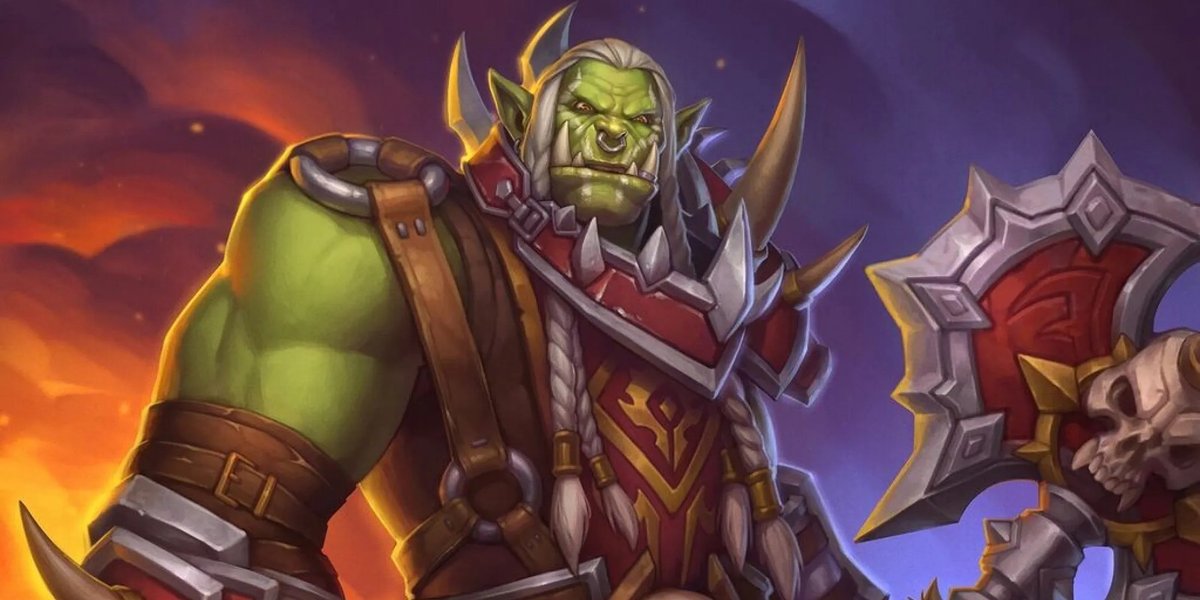
Beyond Names, Developing Rich Orc Characters and Clans
Forget the green-skinned, grunting horde. The era of one-dimensional fantasy races is over. Today, creating memorable characters and rich worlds demands going Beyond Names: Developing Orc Characters and Clans with depth, nuance, and genuine cultural texture. Whether you're a tabletop GM, a fantasy writer, a game designer, or a curious worldbuilder, you have an incredible opportunity to craft orcs that defy expectations and resonate with your audience.
Orcs have evolved dramatically from their origins as Tolkien's "orcnēas" (demons) and "spectres" in Old English texts like Beowulf. Modern games like World of Warcraft and Elder Scrolls have shattered old stereotypes, revealing proud warriors, mystical shamans, and even tech-savvy urban dwellers. In fact, D&D Beyond reported a 40% increase in orc character creation since 2023, reflecting a growing appetite for these complex figures. This guide will show you how to tap into that potential, transforming generic green brutes into fascinating individuals and formidable clans.
At a Glance: Crafting Compelling Orcs
- Move Beyond Stereotypes: Orcs are more than just battle-hungry monsters. Explore their full spectrum of motivations, emotions, and roles.
- Physiology as Storytelling: Use physical traits—from skin tone to battle scars—to reflect their environment, history, and status.
- Deepen Their Culture: Develop unique clan structures, values, belief systems, and social hierarchies. What do they truly prize?
- Psychological Complexity: Give your orcs nuanced personalities, individual struggles, and moral ambiguities.
- Meaningful Naming: Craft names that reflect an orc's clan, role, and personality, using harsh, guttural sounds where appropriate.
- Integrate Thoughtfully: Place orcs in your world as protagonists, antagonists, or complex allies, driving compelling narratives.
The Orcish Renaissance: Why Depth Matters Now
For centuries, orcs served a singular purpose in fantasy: antagonists to be overcome, a faceless tide of evil. Their origins trace back to Anglo-Saxon folklore and Tolkien's interpretation, often associated with the Latin "Orcus," the god of the underworld. But like any rich archetype, the modern orc has grown beyond these early, simpler portrayals.
Today’s fantasy landscapes are hungry for more. We're seeing proud, strong, free-roaming orcs ready to fight for their kin, often characterized by muscular builds, large canines, and varied skin tones from green to grey. The rise in orc character creation isn't just a trend; it's a testament to the power of a well-developed, relatable character, even one with tusks and a formidable roar. Fantasy gaming communities on Reddit, for example, have seen a 65% growth in two years, with naming and character development discussions at the forefront. This shift demands that creators like you look beyond mere aesthetics and delve into the heart of what makes an orc tick.
Beyond Skin Deep: Crafting Unique Orc Physiology & Appearance
An orc's physical form is the first layer of storytelling. While the classic muscular humanoid with large canines and flat nose remains iconic, there's a vast spectrum to explore. Their appearance isn't just about how they look; it's about what their form communicates about their life, lineage, and environment.
Standard Traits, Unique Twists
Start with the widely accepted visual cues: powerful physiques, prominent tusks, varied green-to-grey skin tones. Now, consider how these traits adapt and diverge:
- Regional Adaptations: Do your orcs live in scorching deserts, requiring thicker, sun-resistant hides and possibly a leaner build? Are they mountain dwellers, perhaps stockier with denser bone structure to navigate treacherous peaks? Forest-dwelling orcs might exhibit camouflaged skin patterns or lighter builds for agility.
- Age and Experience: An elder shaman might bear the marks of wisdom and hardship, their tusks worn, skin deeply lined. A young warrior might possess raw, unblemished strength.
- Battle Scars and Trophies: Every scar tells a tale. Consider where they're located, what weapon caused them, and what that battle signifies. Trophies—skulls, teeth, braids of enemy hair—can be woven into their armor, hair, or even skin, reflecting victories and traditions.
- Tattoos, Piercings, and Markings: These aren't just decorative; they're deeply symbolic.
- Tattoos: Clan sigils, devotional symbols, records of great deeds, rites of passage. What dyes do they use? Are they permanent or temporary?
- Piercings: Through ears, noses, tusks, or lips, often signifying rank, spiritual devotion, or accomplishments. What materials are used (bone, metal, stone)?
- Body Paint: Especially for rituals, war, or specific social functions. How do the designs change based on context?
- Dress and Gear: Their attire speaks volumes about their culture, environment, and social standing.
- Practicality: Is their clothing suited for stealth, harsh weather, or heavy combat?
- Materials: Leather, fur, bone, salvaged metal—what resources are available to them?
- Symbolism: Does their armor incorporate clan totems or spiritual iconography? A nomad trader's gear will look vastly different from a fierce raider's or a shaman's ceremonial robes.
By detailing these physical elements, you build an orc character that immediately conveys a rich backstory and cultural context, inviting your audience to explore further.
The Heart of the Horde: Building Rich Orcish Culture & Society
The true depth of your orcs lies in the intricate tapestry of their culture. Moving past the "savage horde" stereotype requires thoughtful consideration of their social structures, values, spiritual beliefs, and daily lives. What holds them together? What defines their identity?
Clan Structures: The Pillars of Orcish Society
Orcs are intrinsically tied to their kin. This manifests in diverse clan archetypes:
- Family Bloodlines: The most fundamental unit, bound by ancestry and mutual loyalty. What are the key families, and how do they interact?
- War Bands: Loose confederations formed for specific martial purposes, sometimes temporary, sometimes long-lasting. Leadership is often merit-based, focused on combat prowess.
- Nomadic Tribes: Always on the move, driven by resources, trade routes, or ancient traditions. Their culture emphasizes resilience, survival, and adaptability.
- Shadowy Cabals: Secretive groups with specific agendas, often focused on ancient magic, forbidden knowledge, or political manipulation. They might operate within or alongside larger clans.
- Guilds or Orders: Specialized groups for shamans, crafters, scouts, or even diplomats, sometimes transcending traditional clan lines.
Consider the dynamics: who holds power? Is it a Warlord, a Matriarch, a council of elders, or a spiritual leader? How are decisions made?
Values & Ethos: What Truly Drives Them
Orcs are often portrayed as proud, strong, and ready to fight for their kin. But what does "pride" mean to them?
- Kinship: Unwavering loyalty to family and clan, often above all else. Betrayal is perhaps the gravest sin.
- Strength: Not just physical, but also strength of will, character, and spirit. This can manifest in combat prowess, enduring hardship, or leading with conviction.
- Honor: This is where it gets interesting. Is their honor tied to battle, truth-telling, protecting the weak within their clan, or fulfilling oaths? Their definition might differ significantly from other races.
- Freedom: The desire to roam unhindered, to make their own choices, and resist subjugation. This often fuels their conflicts with more territorial or expansionist races.
- Self-Reliance & Resourcefulness: Surviving harsh environments or constant conflict breeds ingenuity and a fierce independent streak.
Social Roles: More Than Just Warriors
While combat is often central, orcish society is complex enough to require a variety of specialists:
- Warriors/Berserkers: The frontline, defined by their martial skill and bravery.
- Shamans: Spiritual leaders, healers, and seers, connecting the clan to ancestors, spirits, and primal forces. They often wield considerable influence.
- Hunters/Scouts: Experts in tracking, wilderness survival, and gathering resources.
- Crafters/Artisans: Blacksmiths, leatherworkers, stone carvers, who create tools, weapons, armor, and cultural artifacts.
- Storytellers/Lorekeepers: Preservers of history, myth, and tradition, essential for maintaining cultural identity.
- Traders/Diplomats: Especially in nomadic or more integrated societies, these orcs navigate relations with other races, often embodying a surprising shrewdness.
Belief Systems & Rituals
What do your orcs believe? Their spiritual lives can be incredibly rich:
- Ancestor Worship: Honoring the spirits of past heroes and leaders for guidance and protection.
- Nature Spirits: Reverence for the land, animals, and elemental forces.
- Primal Forces: Worship of raw power, untamed magic, or ancient deities of war, creation, or destruction.
- Rites of Passage: Ceremonies marking transitions from youth to adulthood, warrior initiation, or leadership succession.
- War Rituals: Chants, sacrifices, or blessings before battle.
- Mourning & Remembrance: Specific customs for honoring the dead.
Developing these cultural layers transforms your orcs from simple foes into a vibrant, living society with its own logic, motivations, and traditions.
A Mind Like Steel: Orcish Psychology & Personalities
Perhaps the most crucial step in character development is giving your orcs a rich inner life. The old stereotype of the mindlessly aggressive brute is just that—a stereotype. Modern orcs possess nuanced personalities and a full spectrum of emotions.
Challenging the "Brute" Stereotype
Think beyond simple anger or bloodlust. What makes an orc unique?
- Core Drives: While loyalty to kin is paramount, what else drives them? Ambition to lead? A thirst for knowledge? The quiet joy of craftsmanship? A burning desire for revenge for a past wrong? The search for personal excellence?
- Emotional Range: Orcs feel joy, sorrow, fear, love, protectiveness, pride, and frustration just like any other sentient being.
- Joy: Found in victory, a bountiful hunt, the laughter of kin, or the creation of a fine weapon.
- Sorrow: For lost loved ones, ancestral lands, or personal failures.
- Fear: Not just of death, but of dishonor, losing their clan, or failing their people.
- Love: Fierce, protective love for family, partners, and comrades.
- Moral Ambiguity: No race is monolithic. An orc might be honorable in their dealings with their clan but ruthless with outsiders. Some may question their traditions, while others staunchly uphold them. Is there room for mercy, compassion, or even self-sacrifice in their code?
Individual Arcs: How Orcs Grow and Change
A truly compelling character isn't static. Give your orcs personal journeys:
- Challenges to Worldview: What event might force an orc to reconsider their deeply held beliefs? A surprising act of kindness from an enemy? A failure that teaches humility?
- Personal Quests: Beyond clan objectives, what individual goals does an orc pursue? To master a skill, uncover a lost secret, or protect a specific individual?
- Unexpected Traits: A hulking warrior who secretly writes poetry, a fierce shaman with a dry wit, or a calculating leader with a surprising soft spot for orphaned runts. These contradictions add immense depth.
By exploring these psychological dimensions, you empower your orcs with motivations that make them relatable, even when their methods or cultural norms are alien.
Naming Your Legacy: Crafting Powerful Orc Names & Clan Titles
A name is more than just a label; it’s an identifier that carries history, personality, and cultural significance. For orcs, a name often reflects their character, their role within the clan, and their family's legacy. As 73% of D&D players spend over 30 minutes choosing character names, it’s clear a good name is crucial for building a memorable story.
Why Names Matter for Orcs
Modern orc names are increasingly meaningful, moving beyond old stereotypes to reflect complex cultures and histories. A name can instantly convey whether an orc is a revered shaman, a cunning scout, or a battle-hardened berserker.
Guidelines for Crafting Individual Orc Names
When forging an orc's personal name, consider these elements:
- Clan and Cultural Background:
- Mountain Clans: Might incorporate geological terms, names of peaks, or words describing strength and endurance (e.g., "Stonefist," "Cragjaw").
- Desert Clans: Could use imagery related to heat, survival, or vast, arid landscapes (e.g., "Sandfang," "Scorchskin").
- Forest Tribes: Names might evoke animals, trees, or stealth (e.g., "Greenshadow," "Wolfheart").
- Class and Personality:
- Berserker: Needs a name that sounds fierce and powerful (e.g., "Grak," "Throk").
- Shaman: Could have a more ethereal or resonant name, perhaps linked to spirits or nature (e.g., "Zogar," "Runecaster").
- Crafter: A name that hints at their skill or patience.
- Pronunciation and Sound:
- Harsh Consonants: Orc names often benefit from strong, guttural sounds. Lean into 'K,' 'G,' 'R,' 'TH,' 'Z,' 'T,' and hard 'C' sounds.
- Short, Punchy Names: Many traditional orc names are brief and impactful.
- Compound Names: Combining two descriptive words (e.g., "Skullsplitter," "Bloodaxe") adds gravitas.
- Fantasy Universe Conventions:
- Always research the specific naming styles of your chosen setting (e.g., Warcraft, D&D, Elder Scrolls). Each has its unique flavor.
- Are last names common? Are names bestowed by elders or earned through deeds?
- Group Feedback: If you're creating a character for a game, test potential names with your gaming group. A name that sounds good when spoken aloud is vital.
Generating Powerful Clan Names
Orc clan names aren't just arbitrary; they invoke strength, an unyielding nature, and sometimes fear. They should encapsulate the clan's core identity, whether they are nomad traders, fierce raiders, or shadowy cabals.
To generate a truly evocative clan name, consider combining:
- Evocative Adjectives: Iron, Blood, Shadow, Stone, Grim, Wild, Frost, Thunder.
- Clan Titles: Clan, Tribe, Horde, Legion, Brotherhood, Hand, Maw, Grin.
- Primal Concepts: Rage, Fury, Doom, Skull, Bone, Tooth, Fire, Earth.
- Powerful Verbs (often in compound form): Crush, Shatter, Rend, Cleave, Roar, Stomp.
- Compound Names: Combine these elements for maximum impact (e.g., "Ironjaw Clan," "Bloodforged Tribe," "Shadowmaw Horde").
These names should suit diverse archetypes. A "Stonefist Clan" immediately suggests strength and perhaps mountain-dwelling, while a "Whisperfang Tribe" hints at stealth or cunning. If you're looking for inspiration or need to generate many unique names quickly, an Orc name generator can be an invaluable tool, providing millions of unique combinations by blending adjectives, primal concepts, and powerful verbs. Remember, the right name instantly communicates a legacy.
Naming Pitfalls to Avoid
- Generic Sounds: Names that don't roll off the tongue or lack impact.
- Breaking Conventions: A name that clashes with the established lore or sound of your fantasy world.
- Overly Complex: Orc names are often simple and direct. Avoid excessive syllables or difficult pronunciations unless it serves a specific cultural purpose.
From Clan to Campaign: Integrating Orcs into Your World
Developing rich orc characters and clans isn't just an academic exercise; it's about making your world more dynamic and your stories more compelling. Once you've created these intricate societies, the next step is to weave them seamlessly into your narratives.
Orcs as Protagonists: Reimagining the Hero's Journey
Why must the hero always be human or elf? An orc protagonist offers a fresh perspective, challenging traditional notions of good and evil.
- Internal Conflict: An orc torn between clan loyalty and a burgeoning sense of personal morality.
- External Prejudice: An orc fighting to prove their worth or honor to a world that only sees a monster.
- Unique Motivations: What does an orc protagonist seek? Redemption? A lost artifact for their clan? Revenge for a deep betrayal?
Orcs as Antagonists: Complex Motivations, Not Just Mindless Evil
Even when your orcs are foes, give them depth. They aren't evil for evil's sake.
- Resource Scarcity: Raiding might be a desperate measure for survival, not wanton cruelty.
- Ancestral Claims: They might be fighting for lands they believe were stolen from them centuries ago.
- Misunderstanding: A conflict born from clashing values or broken treaties rather than inherent malice.
- Charismatic Leaders: A powerful Warlord might unite clans under a banner of conquest, driven by ambition or a twisted vision of a better future for their people.
Orcs as Allies or Neutrals: Trade, Uneasy Truces, Shared Enemies
Orcs don't have to be binary enemies. They can be crucial, if challenging, partners.
- Shared Threat: An ancient evil threatens all races, forcing an unlikely alliance.
- Trade Relations: Nomadic orc traders might have unique goods or knowledge valuable to other settlements. What do they want in return?
- Mercenary Companies: Orc warriors might offer their services to the highest bidder, their loyalty pragmatic rather than ideological.
Cultural Exchange: How Orcs Interact with Other Races
Their interactions are a goldmine for storytelling.
- Prejudice and Bigotry: How do other races react to orcs? Is it fear, disdain, grudging respect?
- Cultural Differences: Clashing customs, communication barriers, and different codes of honor can lead to both conflict and surprising understanding.
- Integration and Assimilation: Do some orcs live in human cities? What challenges do they face? How does their presence change the fabric of society?
Worldbuilding Checkpoints for Orcish Integration
- Ecology: What role do orcs play in your world's ecosystem? Are they apex predators, skilled hunters, or an ecological force for change?
- Geopolitics: Where are their strongholds? What territories do they claim? How do their borders interact with other nations?
- Conflicts & Alliances: What historical wars or peace treaties define their relationships with other races? Who are their perennial enemies, and who are their occasional allies?
By deeply embedding your orc characters and clans into the fabric of your world, you don't just add flavor; you create dynamic forces that drive the narrative forward, presenting your audience with compelling ethical dilemmas and unforgettable characters.
Your Next Steps: Bringing Orcs to Life
The world of fantasy is richer for characters that surprise, challenge, and resonate. You now have the tools to move Beyond Names: Developing Orc Characters and Clans that are not just strong fighters, but also complex individuals, bound by intricate cultures and driven by relatable motivations.
Start small: pick one orc. Give them a unique scar and a story behind it. Then, give them a personal fear that isn't about dying in battle. Build out their clan's core value system, and then invent a single, quirky ritual. Don't be afraid to experiment, to defy expectations, and to let your orcs tell their own stories. Your audience is ready for characters that are both fearsome and fascinating. Now go forth and create them.