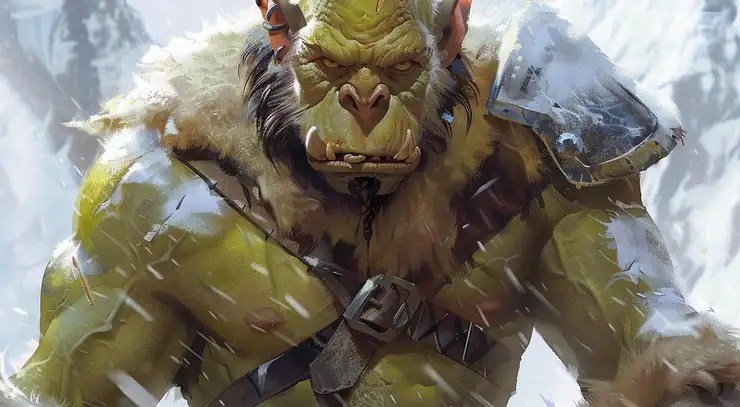
The clang of steel, the roar of battle, the guttural chant echoing across desolate plains – few sounds are as evocative as the very names carried by an orc. Far from mere labels, an orc's name is a banner, a lineage, a declaration of intent. It tells a story, often one carved in blood and reinforced by iron will.
But finding that perfect moniker, one that truly encapsulates the primal fury or surprising nuance of your orc character, can be a battle in itself. This is where the Best Orc Name Generators: Tools and Reviews for Your Characters come into play, transforming the arduous quest for authenticity into a thrilling hunt for inspiration.
Whether you're crafting a fearsome Warchief, a cunning Shaman, a grizzled veteran, or a fledgling grunt, a well-chosen name grounds your character in a world of fierce tradition and unyielding strength. Let's delve into how to find that name, and which tools will be your mightiest allies.
At a Glance: Forging the Perfect Orc Name
- Orc names are more than labels: They signify role, status, and cultural identity, deeply rooted in battle, strength, and tribal tradition.
- Authenticity is key: Look for harsh consonants, guttural sounds, and themes of war, nature, or power.
- Context matters: A warrior's name differs from a shaman's or a chieftain's. Gender and cultural background also influence naming patterns.
- Name generators are invaluable: They conquer writer's block, ensure consistency, and spark fresh ideas.
- Seek generators with depth: The best tools offer customization for gender, cultural style (e.g., Warcraft vs. Tolkien), and character role.
- Don't just copy-paste: Use generators as a starting point. Tweak, combine, and say names aloud to find the perfect fit.
Why Does an Orc's Name Carry So Much Weight?
In the brutal, honor-bound societies of orcs across countless fantasy worlds, a name isn't just something you're called; it's something you earn, something you embody. It echoes with the fury of the horde and the strength of tribal tradition, reflecting a culture built on raw power, unyielding honor, and often, relentless conquest. These names function as both personal identifiers and crucial indicators of an orc's role within their society.
Think of it: When you hear "Azog," you immediately conjure an image of a brutal, unyielding foe from The Hobbit. "Thrall" evokes the story of a slave who rose to become a Warchief, a name carrying the weight of his origins and his defiance. "Grom Hellscream" isn't just a name; it's a legacy, a testament to fierce nature and unmatched prowess. These names aren't accidental; they're potent narrative devices that aid worldbuilding and narrative clarity, helping us quickly identify characters and understand their place in the grand tapestry of a story. A well-crafted orc name instantly communicates identity, hinting at power level, and establishing cultural context without a single descriptive paragraph.
The Anatomy of an Authentic Orc Name: What Makes It Roar?
To appreciate the best generators, we first need to understand the raw materials they work with. Authentic orc names aren't arbitrary sounds; they're carefully structured linguistic expressions designed to convey specific traits.
Harsh Sounds & Guttural Power
The most defining characteristic of orc names is their sound. They typically feature harsh consonants like 'k,' 'g,' 'r,' 'th,' 'sh,' 'z,' and 't,' combined with guttural vowels. This creates a sound profile that feels aggressive, strong, and often, intimidating. Think "Grishnakh" or "Kargath." The sonic impact alone tells you much about the culture that birthed such a name.
Reflecting Role: More Than Just a Title
An orc's name often tells you their profession or primary characteristic, making functional naming a core aspect of their identity.
- Warrior Names: These names often incorporate harsh consonants and aggressive sounds, directly referencing combat. Examples include Bloodfang, Bonecrusher, Skullsplitter, or the classic Azog and Bolg. They speak of strength, ferocity, and martial prowess.
- Shaman Names: Blending elemental and spiritual elements, these names hint at a connection to nature's raw forces or ancestral spirits. Think Stormbringer, Earthshaker, Spiritbinder, Firecaller, or Shadowseer. They suggest a different kind of power—one of magic and wisdom, albeit often still fierce.
- Chieftain Names: Emphasizing leadership and dominance, these names often sound commanding and authoritative. Warchief, Battleking, Ironlord, Overlord, or Durotan and Orgrim are prime examples, embodying the strength and authority required to lead a horde.
- Hunter Names: Referencing tracking and prey, these names speak to cunning and deadly skill. Wolfhunter, Bearkiller, or Pathfinder are indicative of those who roam the wilds.
- Raider Names: These names favor destruction and plunder, reflecting a life of pillage and conquest. Plunderer, Ravager, Marauder are straightforward in their intent.
- Craftsman Names: Even among orcs, some specialize in trades, and their names reflect it: Ironforge, Hammersmith, Bladesmith.
- Traditional Names: Some names simply preserve classic conventions, strong and powerful without overt role-specific indicators, like Grak, Thrak, or Krog.
Cultural Echoes: Tolkien vs. Warcraft vs. Beyond
Orc naming shows distinct cultural variations reflecting different fantasy traditions:
- Tolkien Names (e.g., Azog, Bolg, Grishnakh): These emphasize guttural, harsh sounds, often feeling ancient and deeply malevolent, aligning with Tolkien's depiction of orcs as corrupted beings.
- Warcraft Names (e.g., Grommash, Thrall, Garrosh): These suggest an epic scale, often with a touch more complexity or a distinctive "clan" feel, reflecting a culture with deeper internal politics and varying shades of morality.
- Traditional/Generic Names (e.g., Grak, Thrak, Krog): These use simple, powerful syllables that are instantly recognizable as "orcish" across many settings.
Gendered Nuances
While often similar, gender plays a role:
- Male Orc Names: Frequently end in harsh consonants (-k, -g, -th, -sh), unequivocally emphasizing strength and aggression.
- Female Orc Names: Often incorporate similar harsh sounds but may add slightly softer endings (-a, -ra) or be slightly more fluid, though still powerful and resonant with the overall orcish aesthetic.
The Power of the Epithet
Beyond their given name, many powerful orcs gain an epithet, a descriptive title that cements their legend or deeds. "Hellscream," "The Destroyer," "Blood Axe"—these are not just additions; they are declarations. Think of Grom Hellscream or Azog the Defiler. They elevate a name from identification to legend.
Neutral Names: When a Name Transcends
Not all orcs fit neatly into traditional categories. Neutral orc names represent a category referencing primal forces, abstract concepts, or tribal identity, suitable for orcs who transcend typical roles.
- Primal Names: Connect to natural power (Thunder, Storm, Quake, Avalanche).
- Conceptual Names: Embody abstract ideas (Battle, Combat, Strength, Victory).
- Martial Names: Reference weapons and combat roles (Axe, Blade, Warrior, Champion).
- Predatory Names: Evoke hunting and killing (Wolf, Bear, Hunter, Slayer).
- Tribal Names: Emphasize group identity (Clan, Tribe, Horde, Chieftain).
These offer flexibility for unique orcs whose identity is tied to broader concepts rather than a specific societal function.
When the Name Hunt Becomes a Battle: Why Use an Orc Name Generator?
Even with a deep understanding of orc naming conventions, the blank page can be a daunting foe. This is where a high-quality Orc name generator tool becomes an indispensable ally.
- Conquering Writer's Block: Staring at a blinking cursor, desperately trying to conjure a name that sounds just right, can sap your creative energy. Generators offer a jolt of inspiration.
- Efficiency is Key: When you need dozens of names for an invading horde, minor NPCs, or a full roster for your RPG campaign, manually crafting each one is impractical. Generators provide lists in seconds.
- Ensuring Consistency: If you're creating multiple orcs for a single world, a good generator can help maintain a consistent naming style, ensuring all your orcs sound like they belong to the same culture.
- Discovering Unforeseen Combinations: Sometimes, the best names come from unexpected places. A generator can pair syllables or concepts you wouldn't have considered, leading to truly unique results.
- Learning Tool: Many advanced generators implicitly teach you about naming conventions by offering different "styles" (e.g., Warcraft, Tolkien) or categories (e.g., warrior, shaman), deepening your own understanding.
Decoding the Best Orc Name Generators: What to Look For
Not all generators are created equal. The truly best tools offer more than just random words. They provide nuanced options that empower you to find a name that perfectly fits your specific vision.
- Customization & Filters: This is paramount. Can you filter by:
- Gender: Male, female, or neutral.
- Cultural Style: Tolkien-esque, Warcraft-inspired, classic D&D, etc.
- Character Role: Warrior, Shaman, Chieftain, Hunter, Raider.
- Length/Complexity: Simple, guttural sounds or more elaborate names.
- Specific Syllables/Prefixes/Suffixes: For those with a clear idea of how they want a name to start or end.
- Name Pool Size & Variety: A good generator shouldn't just recycle the same few patterns. It should have a vast database and a sophisticated algorithm to produce a wide range of unique and convincing names. The more options, the better your chances of striking gold.
- Usability & Interface: A clunky, ad-filled interface detracts from the creative process. Look for clean designs, easy navigation, and quick generation without unnecessary hurdles.
- Cultural Accuracy & Depth: The best generators are built on an understanding of orcish linguistics and fantasy lore. They don't just string together harsh sounds; they create names that resonate with established fantasy traditions.
- Additional Features:
- "Meaning" or "Inspiration": Some generators offer a pseudo-meaning or suggest the thematic elements of a generated name, which can be a fantastic springboard for character development.
- Favorites List: The ability to save or bookmark names you like is incredibly useful for comparing options later.
- Bulk Generation: For when you need many names at once.
Top Orc Name Generators: Tools and Reviews
While specific named tools aren't provided for review, we can discuss the archetypes of generators and what makes them shine. Think of these as categories you'll encounter in your search for the ultimate orcish identity.
1. The "Simple & Swift" Generator: Your Quick-Draw Companion
- What it is: These generators prioritize speed and ease of use. You hit a button, and a name pops out. They typically have minimal filters, perhaps just a male/female toggle.
- Pros: Excellent for quickly brainstorming many options, generating names for minor NPCs, or overcoming initial writer's block.
- Cons: Limited customization means you might get many names that don't quite fit. The pool of names can sometimes feel a bit generic or repetitive after a while.
- Best For: Dungeon Masters needing a list of generic orc grunts, writers looking for a quick spark of inspiration, or anyone in a hurry.
2. The "Deep Dive & Lore-Rich" Generator: For the Worldbuilder
- What it is: These are often community-driven or built by passionate loremakers. They boast extensive databases and sophisticated algorithms, often allowing you to specify cultural origin (e.g., "Mordor Orc," "Draenor Orc," "Greenskin Clan"). They might even offer historical context or suggested meanings.
- Pros: Generates highly authentic, lore-consistent names. Excellent for in-depth worldbuilding and creating characters with a strong cultural identity. The names often feel more "real" and less randomly generated.
- Cons: Can sometimes be slower or have a more complex interface due to the sheer number of options. May require a bit more input from the user.
- Best For: Serious RPG players, fantasy novelists, and worldbuilders who need names deeply integrated into their setting's lore.
3. The "Highly Customizable" Generator: The Sculptor's Clay
- What it is: These tools go beyond simple filters, allowing you to specify prefixes, suffixes, vowel/consonant ratios, number of syllables, and even the "roughness" or "smoothness" of a name. They're like a linguistic LEGO set for orcs.
- Pros: Unparalleled control over the output, allowing you to fine-tune names to an incredibly specific aesthetic. Great for when you have a very particular sound in mind.
- Cons: Can be overwhelming for beginners. Might require some experimentation to get the desired results. The sheer number of options can slow down the generation process.
- Best For: Experienced writers, game designers, or anyone who enjoys linguistic experimentation and has a clear vision for their orc's name.
4. The "Random & Wildcard" Generator: Unexpected Inspiration
- What it is: These generators might combine elements from different styles or even pull in less conventional sounds, creating names that are truly unique and sometimes wonderfully bizarre. They often lack filters beyond a basic "generate" button.
- Pros: Can lead to truly original names you'd never think of otherwise. Great for breaking out of naming ruts and finding fresh takes on orcish identity.
- Cons: High hit-or-miss ratio. You'll likely generate many unusable names before finding a gem. May produce names that don't fit traditional orc aesthetics.
- Best For: Anyone looking for truly unconventional or experimental orc names, or those who enjoy the thrill of pure randomness.
When considering an Orc name generator tool, it's worth exploring how these different approaches can cater to your specific creative needs. Don't settle for the first one you find; experiment with a few to see which aligns best with your project's demands.
Beyond the Click: How to Use Generators Effectively
A generator is a tool, not a magic wand. To get the most out of it, you need a strategy.
- Start with Context: Who is Your Orc?
- Before hitting "generate," define your orc. Are they a brute warrior or a sly shaman? Male or female? From a proud warrior clan or a savage feral tribe? Knowing their role, personality, and background will guide your search and help you recognize the "right" name when you see it.
- Don't Be Afraid to Tweak:
- Rarely will a generated name be perfect right out of the box. Use it as a starting point. Change a letter, swap a syllable, add an epithet. "Grak" might become "Grak'thar," or "Bloodfang" might become "Bloodfang the Ravager."
- Combine Elements:
- Did you like the first half of one generated name and the second half of another? Meld them! Or take a powerful verb from one list and combine it with a name from another. "Stormbringer" is a classic example of combining two evocative words.
- Say It Out Loud (and Often):
- Orc names are meant to be roared, whispered, or grunted. How does it sound? Does it roll off the tongue or catch in your throat in a satisfyingly guttural way? A name might look good on paper but feel awkward when spoken.
- Check for Unintended Meanings:
- Especially if you're combining elements or using a wildcard generator, quickly search the name online. You don't want your fearsome Warchief to accidentally share a name with a cartoon character or a brand of dog food!
Common Pitfalls to Avoid When Naming Your Orc
Even with the best tools, it's easy to stumble. Keep these warnings in mind:
- Going Too Generic: "Orcy McOrcface" isn't going to strike fear into anyone. While simplicity can be good, avoid names that feel utterly devoid of character or cultural roots.
- Unintentional Humor: This often happens when you combine harsh sounds in a way that accidentally spells out something silly in your native tongue. Always say the name aloud.
- Overcomplication: While some names are complex (like "Grommash"), avoid names that are simply a string of unpronounceable syllables. A name should ideally be memorable, even if it's guttural.
- Losing Consistency: If your world has distinct orc clans with different naming styles, ensure you don't accidentally mix a Tolkien-esque name with a Warcraft-inspired one within the same tribe. Generators with cultural filters help prevent this.
The Orc Name FAQ: Your Burning Questions Answered
We often get asked specific questions about orc names. Here are some quick answers:
Q: Are there "good" orc names? My orcs aren't evil.
A: Absolutely! The "goodness" of an orc is in their actions, not their name's sound. While many orc names sound fierce, they can also convey honor (Durotan), wisdom (Spiritbinder), or strength of character. Focus on names that reflect your orc's virtues, even if those virtues are expressed powerfully. Neutral names (like "Thunder" or "Strength") are excellent for less traditionally "evil" orcs.
Q: Can female orc names be as harsh as male ones?
A: Yes, definitely! While some traditions might add softer endings (-a, -ra), many female orc names are every bit as harsh and powerful as their male counterparts, reflecting their often equal standing in battle and society. Think "Grizelda" or "Vrakka." It largely depends on the specific cultural context you're building.
Q: How do I make an orc name truly unique?
A: Start with a generator for ideas, then personalize it. Combine elements from different generated names, add a unique suffix (like "The Bloodied," "Ironhide," "Skullbreaker"), or even mix a generated name with a word from a different language that has a personal meaning to you (but ensure it still sounds authentically orcish). Epithets are your best friend here.
Q: Should orc names have meanings?
A: In many fantasy settings, names do have implied meanings (e.g., Bloodfang, Stormbringer). While you don't need a direct translation for every syllable, ensuring the feeling or theme of the name aligns with your character is crucial. Some generators provide hints at meaning, which can be very helpful.
Forging Your Orc's Identity: A Final Word
The journey to name an orc is an act of creation, a foundational step in bringing a character to life. Whether you're a seasoned worldbuilder or just starting your next adventure, the tools and insights shared here will empower you to move beyond generic labels and forge names that truly resonate. Embrace the guttural sounds, the fierce traditions, and the raw power inherent in orcish culture. With the right Orc Name Generators: Tools and Reviews for Your Characters, you're not just finding a name; you're unearthing an identity, a legacy waiting to roar into existence. Go forth, and may your orc's name echo through the ages!